


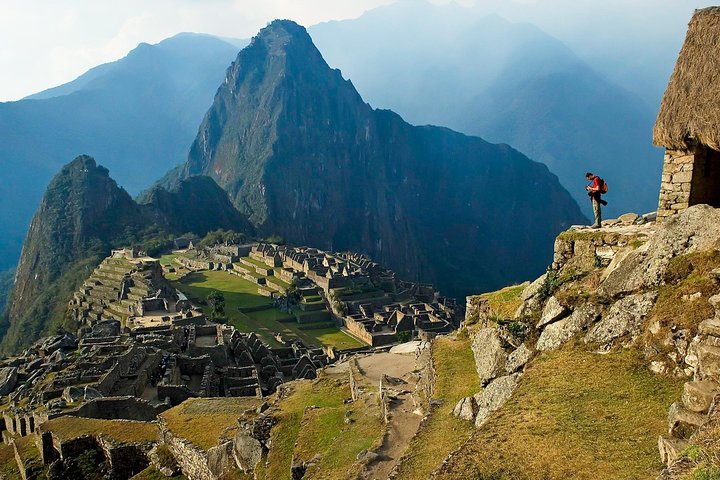


Machu Picchu Train Tours: The Classic Scenic Journey
Quick summary: A Machu Picchu train tour reaches the citadel by rail — the classic, comfortable and most popular way to visit, without any trekking. Scenic trains run from the Cusco region and the Sacred Valley to Aguas Calientes, the town below Machu Picchu, winding through dramatic Andean scenery along the Urubamba River. The train itself is part of the experience, with services ranging from comfortable everyday trains to premium panoramic and luxury options. From Aguas Calientes, a short bus completes the journey up to the site. For most visitors, the train is the easiest, most scenic and most comfortable route to the wonder.
Machu Picchu Train Tours at a Glance
| Detail | Information |
|---|---|
| What it is | Reaching Machu Picchu by scenic train |
| No trekking | The comfortable, popular way to visit |
| Departs from | The Cusco region and the Sacred Valley |
| Arrives at | Aguas Calientes, the town below the citadel |
| The route | Along the Urubamba River through the Andes |
| The journey | Scenic and part of the experience |
| Service classes | From comfortable everyday to premium and luxury |
| Final leg | A short bus up from Aguas Calientes |
| Best for | Most visitors wanting comfort and scenery |
What Is a Machu Picchu Train Tour?
A Machu Picchu train tour is a visit to the citadel reached by scenic train — the classic, comfortable and most popular way to get there, requiring no trekking.
Because there is no road all the way to Machu Picchu, the train is the essential link for most visitors. Scenic trains run from the Cusco region and, more commonly, the Sacred Valley (Ollantaytambo) to Aguas Calientes, the town directly below the citadel, winding through dramatic Andean scenery along the Urubamba River. From Aguas Calientes, a short bus completes the journey up the mountain to the site. The train can be part of a packaged tour that also includes entry, a guide and the bus, or arranged as part of a day tour, 2-day tour or longer itinerary.
What makes the train special is that the journey itself is part of the experience. The route is genuinely beautiful, following the river through the mountains, and the trains are comfortable, with services ranging from comfortable everyday trains through premium panoramic carriages to luxury options with fine dining and observation cars. For the great majority of visitors — those who aren’t trekking — the train is simply the easiest, most scenic and most comfortable way to reach one of the world’s great wonders.
What Are the Train Routes and Where Do They Depart?
Machu Picchu trains follow a scenic route to Aguas Calientes, departing from a few points in the Cusco region, and understanding the options helps you plan.
From the Sacred Valley (Ollantaytambo) — the most common departure point. Trains from Ollantaytambo make for a shorter, very scenic journey to Aguas Calientes, and this is the departure most day tours and itineraries use, often with a transfer from Cusco to Ollantaytambo first.
From the Cusco area — some services run from near Cusco, offering a longer journey, though many itineraries prefer the Sacred Valley departure for a shorter train leg.
To Aguas Calientes — all trains arrive at Aguas Calientes (also called Machu Picchu Pueblo), the town at the foot of the mountain, from where buses run up to the citadel.
The scenic route — the journey follows the Urubamba River through the Sacred Valley and into the mountains, with dramatic changing scenery throughout — part of the pleasure of the trip.
The final bus leg — from Aguas Calientes, a short bus ride up the steep switchback road completes the journey to the site entrance (walking up is possible but steep and time-consuming).
Because the departure point affects the length of the journey and how your day is structured, it’s worth understanding which your tour uses. Most commonly, itineraries transfer you to Ollantaytambo in the Sacred Valley and take the train from there, which keeps the rail journey scenic but not overly long. Whichever route, the essential facts are the same: the train is the only practical way in for non-trekkers, it’s genuinely scenic, and it ends with a short bus up from Aguas Calientes.
What Are the Different Train Classes and Services?
Machu Picchu trains come in a range of service levels, from comfortable everyday options to luxury, so you can choose the experience that suits you.
Comfortable everyday trains — the standard services are already comfortable and scenic, with large windows to enjoy the views, and are perfectly good for most visitors. A sensible, good-value choice.
Premium and panoramic trains — a step up, with larger panoramic windows (including in the roof), enhanced comfort and better views, turning the journey into more of a highlight.
Luxury trains — at the top end, luxury services offer elegant carriages, fine dining, observation cars and superb service, making the journey a memorable experience in itself, and popular for special occasions.
Choosing your class — the right choice depends on your budget and priorities: everyday trains for good value and comfort, premium for enhanced views and comfort, luxury for a special experience. All reach the same destination.
Because the exact services, names and availability vary, and can change, it’s worth checking the current options and what your tour includes when booking. The key point is that there’s a train to suit every budget and priority, from comfortable and affordable to genuinely luxurious. For most visitors, the standard or premium services offer an excellent balance of comfort, scenery and value; the luxury trains are there for those who want the journey itself to be a highlight, particularly on special occasions. Whichever you choose, the scenery and the comfort of travelling by rail are part of what makes the train such a rewarding way to reach Machu Picchu.
Why Take the Train to Machu Picchu?
The train is the most popular way to reach Machu Picchu for good reasons, chiefly comfort, accessibility and scenery.
It’s the practical way in — since there’s no road all the way to the citadel, the train is the essential link for non-trekkers, and by far the easiest way to reach the site.
Comfort and ease — the train is a comfortable, relaxing way to travel, with no physical demands, suiting virtually all visitors regardless of age or fitness.
Scenic beauty — the journey along the Urubamba River through the Andes is genuinely beautiful, making the travel part of the experience rather than just getting there.
Accessibility for all — unlike the treks, the train opens Machu Picchu to families, older travellers, and anyone unable or unwilling to hike.
A range of options — with services from affordable to luxury, there’s a train to suit every budget and preference.
Efficient — the train reaches the citadel relatively quickly compared with trekking, ideal for those with limited time.
So the train suits the great majority of visitors: anyone who isn’t trekking and wants a comfortable, scenic, accessible way to reach the wonder. The alternative — reaching Machu Picchu on foot via one of the treks — is a wonderful experience for fit, adventurous travellers who want the journey to be a physical achievement, but it’s demanding and requires time, fitness and preparation. For everyone else, which is most people, the train is simply the best way to go: comfortable, scenic and open to all. It’s little wonder it’s the most popular route to the citadel.
Who Are Machu Picchu Train Tours Best For?
Train tours suit the great majority of visitors, and some especially.
Non-trekkers — the core audience: anyone who wants to reach Machu Picchu without hiking.
Those wanting comfort — travellers who prefer a relaxing, comfortable journey to a physical one.
Families — an accessible way to bring children and grandparents to the citadel.
Older or less mobile travellers — for whom the train is far gentler than trekking.
Those short on time — since the train reaches the site relatively quickly.
First-time visitors — the straightforward, popular way to see the wonder.
Those who love scenic journeys — for the beautiful route through the Andes, and the premium and luxury options.
They are less ideal only for those who specifically want the trekking experience and the on-foot arrival through the Sun Gate, who should choose one of the treks, or for whom reaching the citadel on foot as an achievement is the whole point. But for everyone else — non-trekkers, families, older travellers, the time-short, first-time visitors, and anyone wanting a comfortable, scenic and accessible way to reach Machu Picchu — a train tour is the ideal choice, and by far the most popular way to visit one of the world’s great wonders.
Practical Tips for Machu Picchu Train Tours
- Book train tickets well ahead — capacity is limited and sells out, especially in peak season.
- Most tours depart from Ollantaytambo in the Sacred Valley for a shorter, scenic ride.
- Choose your class — from comfortable everyday to premium and luxury.
- The journey is part of the experience — enjoy the scenery along the river.
- A short bus completes the trip up from Aguas Calientes to the site.
- Check what’s included — train, entry, guide and bus vary by package.
- A train visit works in February, when the Inca Trail is closed.
Are Machu Picchu Train Tours Worth It?
For non-trekkers, families, older travellers, the time-short, and really the great majority of visitors, a Machu Picchu train tour is well worth it — the classic, comfortable and most popular way to reach the citadel.
The appeal is comfort, accessibility and scenery combined. Because there’s no road all the way to Machu Picchu, the train is the essential link for anyone not trekking, and it’s a genuinely beautiful journey: scenic trains wind from the Sacred Valley and the Cusco region along the Urubamba River through dramatic Andean scenery to Aguas Calientes, where a short bus completes the trip up to the site. The journey itself is part of the experience, and with services ranging from comfortable and affordable everyday trains through premium panoramic carriages to luxury options with fine dining and observation cars, there’s a train to suit every budget and preference. Above all, the train opens Machu Picchu to virtually everyone, regardless of age or fitness, in comfort and at a relatively quick pace.
The honest consideration is really just what kind of experience you want. The train doesn’t offer the physical achievement, the on-foot arrival, or the sense of earning the citadel that the treks provide, so those who specifically want the trekking experience, and especially the classic arrival through the Sun Gate, should choose one of the treks instead. Booking train tickets well ahead is also essential, as capacity is limited and sells out, particularly in the peak dry season.
But for everyone else, which is most people, the train is simply the best way to reach Machu Picchu: comfortable, scenic, accessible to all, and available at every budget from everyday to luxurious. A train tour is thoroughly worth it, and remains the most popular and rewarding way to reach one of the world’s great wonders without trekking.
Frequently Asked Questions
A Machu Picchu train tour is a visit to the citadel reached by scenic train, the classic, comfortable and most popular way to get there, requiring no trekking. Because there is no road all the way to Machu Picchu, the train is the essential link for most visitors. Scenic trains run from the Cusco region and the Sacred Valley to Aguas Calientes, the town below the citadel, along the Urubamba River, and from there a short bus completes the journey up to the site.
Trains depart from a few points in the Cusco region. The most common is Ollantaytambo in the Sacred Valley, which makes for a shorter, very scenic journey and is used by most day tours and itineraries, often with a transfer from Cusco first. Some services run from nearer Cusco for a longer journey. All trains arrive at Aguas Calientes, the town below the citadel, from where buses run up to the site. Check which departure your tour uses, as it affects the day’s structure.
They range from comfortable everyday trains, already scenic with large windows and good value, through premium and panoramic services with larger windows and enhanced comfort, to luxury trains with elegant carriages, fine dining, observation cars and superb service. The right choice depends on your budget and priorities, and all reach the same destination. Because exact services, names and availability vary and can change, check the current options and what your tour includes when booking your Machu Picchu train.
Because it is the practical, comfortable and scenic way in. Since there is no road all the way to the citadel, the train is the essential link for non-trekkers and by far the easiest way to reach the site. It is comfortable and relaxing with no physical demands, suiting virtually all visitors regardless of age or fitness, and the journey along the Urubamba River through the Andes is genuinely beautiful. With services from affordable to luxury, and a relatively quick journey, the train opens Machu Picchu to everyone.
There is no road all the way to Machu Picchu, so for non-trekkers the train is the only practical way in, followed by a short bus up from Aguas Calientes. You cannot drive directly to the citadel. The alternatives are reaching it on foot via one of the treks, which is demanding and requires time and fitness, or the train for everyone else. This is why booking train tickets ahead matters so much, as the train is the essential link and its capacity is limited.
Yes. Train capacity to Machu Picchu is limited and sells out, especially in the peak dry season, so booking your train tickets well in advance is essential, alongside your timed entry to the citadel, which also has daily limits. A packaged train tour often handles the train, entry, guide and bus together, which is much of its value, but you should still arrange it ahead rather than relying on last-minute availability, as leaving it late risks missing out on your preferred service or date.
The best time is the dry season, roughly May to September, when the weather is most reliable and the views clearest along the scenic route and at the citadel, though it is also the busiest, so book furthest ahead. The wet season brings more rain and cloud, though it is quieter and greener. Entry to Machu Picchu is by timed ticket with limits year-round, so book train and entries ahead. A train visit works in February, when the Inca Trail is closed but the citadel stays open.
They suit the great majority of visitors: non-trekkers wanting to reach the citadel without hiking, those wanting comfort, families bringing children or grandparents, older or less mobile travellers, the time-short since the train is relatively quick, first-time visitors, and those who love scenic journeys, including the premium and luxury options. They are less ideal only for those who specifically want the trekking experience and the on-foot arrival through the Sun Gate, or for whom reaching the citadel on foot as an achievement is the whole point.